
18k
This course includes:- Study Material
- Programs
- Assignments
- Minor Project
- Major Project
- Certificate of completion

A PHP full-stack course offers comprehensive training in the development of web applications using a robust stack that includes PHP, a server-side scripting language, alongside other essential technologies.
MySQL or MariaDB: Delve into relational databases with MySQL or MariaDB, acquiring knowledge in database design, querying, and management. These databases are known for their reliability and are widely used in conjunction with PHP.
PHP (Hypertext Preprocessor): Master PHP, a powerful server-side scripting language widely used for web development. Understand PHP syntax, data types, and functions, and explore its capabilities for building dynamic and interactive web applications.
HTML, CSS, JavaScript: Gain proficiency in essential web technologies, including HTML for structuring content, CSS for styling, and JavaScript for enhancing user interactivity on the client-side.
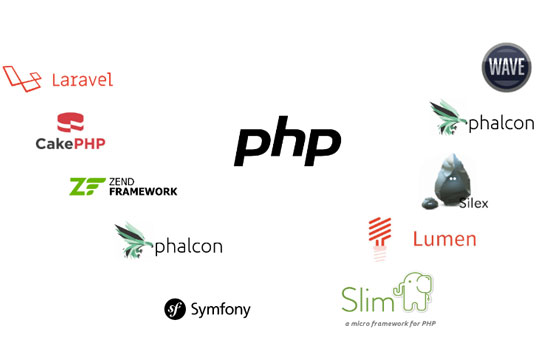
Symfony or Laravel (PHP Frameworks): Dive into a PHP framework such as Symfony or Laravel to streamline the development process. These frameworks offer features like routing, templating, and ORM (Object-Relational Mapping) for efficient web application development.
Throughout the PHP full-stack course, participants will engage in hands-on activities to integrate these technologies effectively. The curriculum covers key topics, including setting up a development environment, building servers with PHP, MySQL or MariaDB for data storage, and constructing dynamic user interfaces using HTML, CSS, and JavaScript. Advanced subjects such as user authentication, handling API requests, and deploying applications to hosting platforms will also be explored, providing participants with a well-rounded skill set for PHP full-stack development.
In a PHP full-stack course, participants are expected to have a foundational understanding of web technologies, encompassing HTML for structuring content, CSS for styling, and JavaScript for client-side interactivity. Proficiency in PHP, a server-side scripting language, is crucial for effective participation in the course. Additionally, participants should be familiar with MySQL or MariaDB, as these are commonly used relational databases in conjunction with PHP. A basic grasp of database concepts, such as querying and data management, is recommended. Learners are expected to have a comfort level with working in a text editor or integrated development environment (IDE) for PHP development. Basic knowledge of version control using Git is essential for collaborative coding practices. Familiarity with the command line for executing commands is also beneficial. Access to a computer with internet connectivity is necessary for participating in online resources, tutorials, and collaborative activities. The course demands a commitment of time and motivation from participants to effectively understand and apply the principles covered throughout the curriculum.
In a PHP full-stack course, participants will develop the skills necessary to build comprehensive web applications using PHP and associated technologies. The curriculum centers on establishing a robust server-side foundation with PHP, integrating MySQL or MariaDB for efficient data storage, creating dynamic user interfaces using HTML, CSS, and JavaScript, and deploying applications effectively. The course covers fundamental topics such as PHP syntax, data types, and functions, as well as delving into advanced concepts including working with PHP frameworks like Symfony or Laravel. Participants will gain proficiency in handling databases, designing and executing queries, and leveraging PHP for server-side logic. Additionally, the course explores essential web technologies, including HTML for content structure, CSS for styling, and JavaScript for enhancing user interactivity. The advanced segments of the course include topics such as user authentication, API handling, and hands-on project development, providing participants with practical experience to reinforce theoretical knowledge. Throughout the course, learners will be equipped to build fully functional and dynamic web applications using the PHP full-stack.
Join TechGuru Dehradun and learn industry-ready technology skills.
Book Free Demo Class